Please register for the Zoom Link.

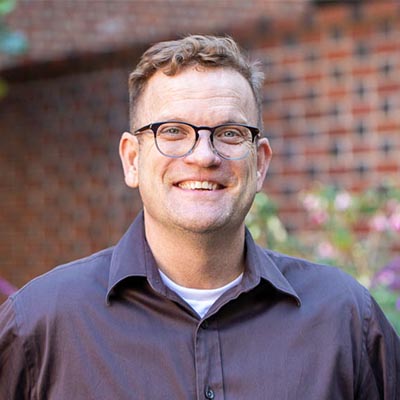

John A. Sauceda, PhD, MSc
Associate Professor In Residence
Center for AIDS Prevention Studies | Division of Prevention Science <
Co-Director, Bay Area CFAR Mentoring Program
Co-Director, CAPS Developmental Core
Director, CALIBER Pilot Research Training Program
John is a health psychologist and Associate Professor at CAPS within the DPS. He has two lines of NIH-funded research. The first line is intervention research to improve HIV care engagement and viral suppression outcomes in Mexico with people who inject drugs, and in Uganda with adolescents living with HIV through economic empowerment strategies. The second line focuses on empirical research ethics and the unique role of psychosocial factors in HIV cure research. In this line, he has embedded longitudinal quantitative and qualitative methods in multiple HIV cure-related trials at UCSF and across the U.S. and Latin American in the ACTG network. In his mentoring roles, in addition to mentoring individual ESIs, he is Co-Director of the CFAR Mentoring Program, MPI of the NIDA R25 Summer HIV/AIDS Research Program (SHARP), Co-Director of the NIAID-sponsored CFAR Scholars Program, and Director of the newly funded Pilot Research Training Program in the Center for Alcohol/HIV Innovations and Biomarker Research (CALIBER). He previously directed a Inter-CFAR Working Group focused on recruitment and retention of investigators from historically-excluded groups in HIV research across the CFAR network.
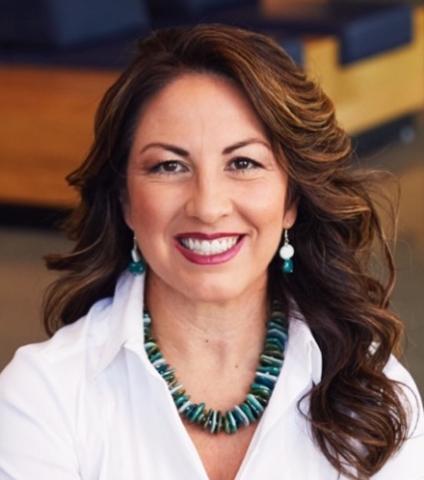
Natasha Ludwig-Barron, PhD, MPH, is a Chicana/Mexican-American Epidemiologist and Assistant Professor at the University of California, San Francisco (UCSF), Department of Medicine, Division of Prevention Science. She brings more than 15-years of public health research and practice experience applying mixed methods and ecological approaches to understanding the co-occurring epidemics of HIV/AIDS, hepatitis C, substance use, and gender inequity, with the goal of improving the health and wellbeing of marginalized communities in the US, Mexico and Kenya. Dr. Ludwig-Barron earned her MPH at Emory University, PhD in Epidemiology at the University of Washington and completed her post-doctoral training at UCSF. Since joining UCSF, Dr. Ludwig-Barron has conducted three community-based, harm reduction pilot studies along the Texas-Mexico Border and was awarded a K01 entitled Proyecto VIDA, which merges implementation science with phylogenetic analysis to address the co-occurring epidemics of HIV, hepatitis C, and opioid use among people who inject drugs in Ciudad Juárez, Mexico. As a C-DIAS Fellow, Dr. Ludwig-Barron will apply implementation science frameworks and methodologies to Latino communities in order to strengthen translational impact, scalability, and equity of substance use interventions. Broadly, her research aims to inform international, national and local substance use policies.
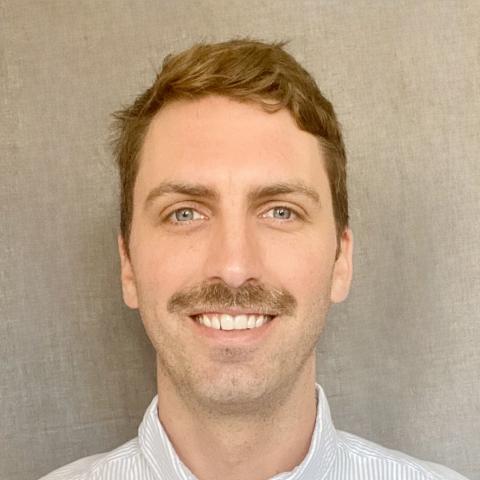
Kyle Hunter, MD, MPH, is an HIV Fellow at Ward 86 at Zuckerberg San Francisco General Hospital. He completed medical school and internal medicine residency at UCSF in the San Francisco General Primary Care Track (SFPC) and earned his Master of Public Health from UC Berkeley. Before entering medicine, Dr. Hunter worked with Human Rights Watch investigating conflict-related human rights violations and later worked in HIV prevention research in Baltimore—experiences that continue to shape his commitment to equitable, community-centered HIV care.